Enhance Your Outdoor Space: Top Deck Staining Services for Lasting Beauty
Revamping an exterior area often starts with assessing the deck's state. Professional staining play an important role in safeguarding and improving this space. Premium finishes enhance the aesthetics and also protect against environmental damage. As homeowners wish to create welcoming environments, comprehending the nuances of deck staining becomes essential. What elements should one consider to ensure a durable and attractive result? The answers reside in the details of the staining procedure.
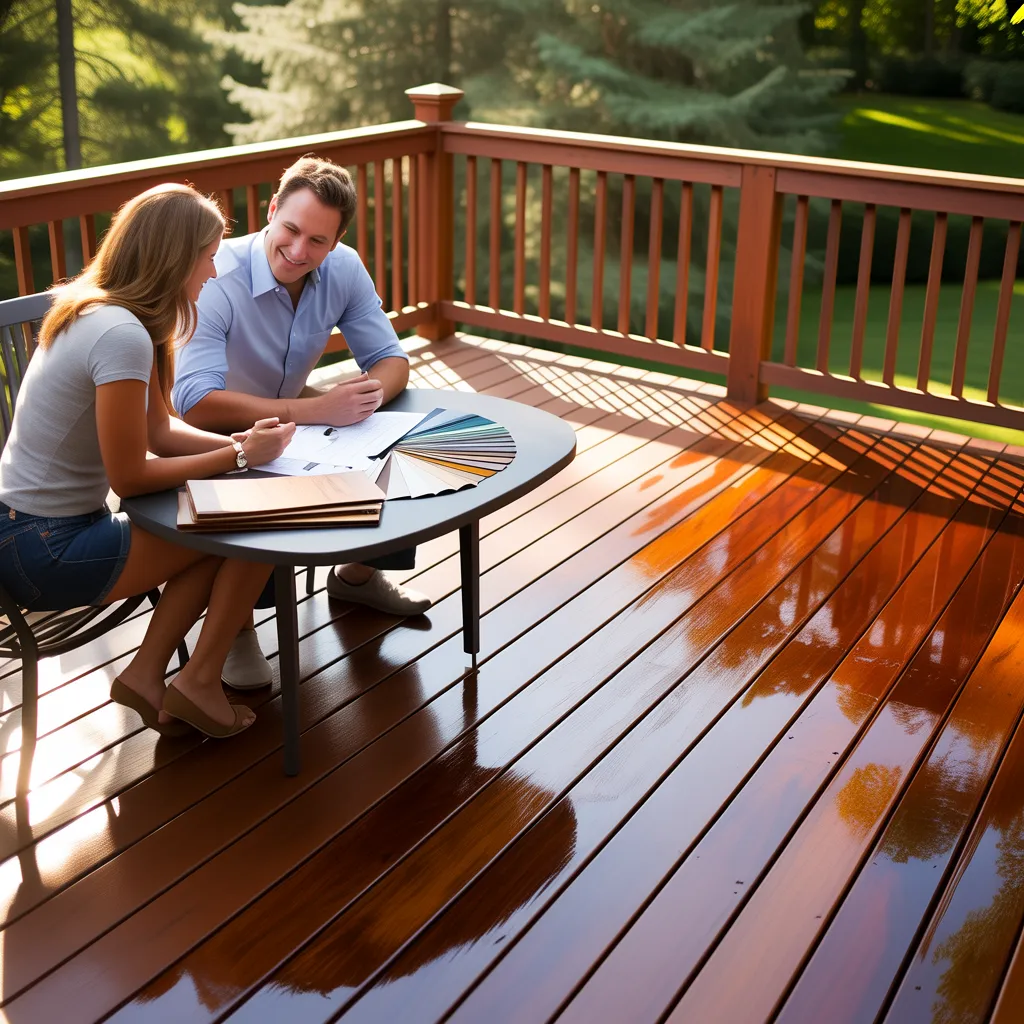
Why Applying Stain to Your Deck Is Critical for Your Outdoor Patio Area
Deck wood finishing is an important step for outdoor decks, enhancing both looks and lifespan. Without correct staining, decks are exposed to the damaging results of weather elements, including UV rays, rain, and snow, which can result in wood rot and deterioration. This treatment creates a shield that blocks moisture penetration, decreasing the risk of mold and mildew growth. In addition, it helps keep the wood’s natural color and texture intact, preventing fading over time.
Additionally, regular coating can lengthen the lifespan of a deck, saving homeowners from expensive repairs or new decks. It also increases the value of the property by enhancing exterior appearance. The appropriate stain can display the natural wood grain of the wood, giving the outdoor space a polished look. In conclusion, deck staining is not just an decorative decision but an important element of maintaining a secure and beautiful outdoor environment.
Finding the Optimal Deck Stain: Colors and Treatments Detailed
Finding the right deck stain involves understanding the diverse colors and finishes offered, which can greatly shape the overall look and resilience of an outdoor space. Deck stains typically come in three main categories: transparent, semi-transparent, and solid. Transparent stains allow the wood grain to show through, delivering a natural feel while delivering minimal protection. Semi-transparent selections enhance the wood's texture and color while delivering better UV protection and resilience. Solid stains, on the other hand, offer the highest level of protection, effectively hiding the wood grain and supplying a uniform color.
When picking a color, homeowners should reflect on their current outdoor decor and encompassing landscape. Neutral earth colors and grays often fit well with natural settings, while vibrant hues can inject a pop of personality. Ultimately, the right stain not only boosts aesthetic appeal but also lengthens the life of the deck, making this choice essential for long-term satisfaction.
Important Elements of the Finest Deck Staining Options
The finest deck stain solutions are defined by several key features that guarantee a superior finish. These include the choice of high-grade stains, the application of expert application methods, and a comprehensive prep work. Together, these elements result to a durable and aesthetically pleasing result for any deck.
Premium Stain Choices
Determining the best sealant can profoundly influence the endurance and aesthetics of a deck. Opting for quality stains involves various critical considerations, including durability, weather resistance, and aesthetic appeal. Premium stains are formulated to combat weather exposure, deterring moisture infiltration and UV damage. Moreover, they often contain mold and mildew inhibitors, which promote a sustained appearance.
Color varieties also play an essential role; a well-chosen hue can enhance the natural beauty of wood while complementing the surrounding landscape. Moreover, specialized stains offer different sheens, from transparent to solid, enabling homeowners to achieve their desired look. Overall, picking a high-quality stain is critical for ensuring that a deck stays beautiful and functional over time.
Professional Implementation Methods
After identifying a top-tier stain, the application strategy becomes indispensable to obtaining excellent results. Skilled deck staining organizations practice exact techniques to guarantee an even and durable finish. Experts typically use tools such as sprayers, brushes, or rollers, each appointed based on the stain type and deck material. They often apply the stain in thin regular layers, supporting maximum absorption and preventing unsightly drips or pooling. Additionally, professionals understand the importance of functioning in ideal weather conditions, ensuring the stain adheres properly. Some may also add back-brushing procedures to validate thorough coverage in textured areas. By applying these methods, professional organizations amplify not only the aesthetic but also the longevity of the deck, protecting it against the elements.
Extensive Readiness Framework
Emphasizing thorough readiness distinguishes the top deck staining companies from others. These professionals begin by inspecting the deck for defects, guaranteeing structural integrity before any staining happens. They carefully clean the area, eliminating dirt, mildew, and old finishes to establish an optimal bonding environment for the new stain. Some services even utilize pressure washing to remove stubborn grime successfully. Next, they tackle any repairs, replacing damaged boards or reinforcing loose elements. A quality deck staining service will also sand rough areas to achieve a smooth finish, enabling for even stain application. This thorough preparation not only improves the aesthetic appeal but also extends the lifespan of the deck, ensuring long-lasting beauty and protection against the elements.
Self-Applied versus Expert Stain Application: Determining the Best Option?
When assessing deck staining options, individuals often weigh the cost against the skill level needed for each approach. DIY projects may offer a lower initial expense but require a certain ability to accomplish satisfactory results. In contrast, engaging specialists incurs increased costs but typically guarantees a higher-quality finish and long-term durability.
Financial Issues Involved
Determining whether to tackle DIY deck staining or bring in a professional calls for careful analysis of sundry price-related factors. Self-service projects tend to appear cost-effective at first glance, because they involve only the outlay for goods, which may feature stains, tools, and safety equipment. However, surprise costs such as rental fees or purchasing tools may surface. On the other hand, professional services come with a premium upfront cost, involving labor, proficiency, and often a guarantee on the finished product. This commitment can produce lasting durability that may cut spending long term by limiting the frequency of frequent touch-ups. In the final analysis, the selection copyrights on reviewing immediate costs and long-term benefits, making certain homeowners choose the option that most closely aligns with their budget and upkeep preferences.
Required Skill Proficiency
poor protection quality.
On the resource other hand, using an expert guarantees a premium quality outcome, as they have expert knowledge and specialized tools. They are able to overcome difficulties, including weather conditions and choice of materials, without difficulty. In the end, the choice is based on an individual's belief in their capabilities and the desired appearance and longevity of the deck. Taking into account your skill level with what you expect will inform this key decision.
Tips for Maintaining Your Deck's Long-Lasting Appeal
Keeping your deck attractive demands regular maintenance and focus. Routine cleaning is vital; sweeping with a broom or using a leaf blower to clear debris avoids mold and mildew growth. A soft pressure wash every few months can restore the surface, but attention is required to prevent wood damage.
Surveying the deck for marks of wear, including splitting or dimness, is vital. Any impaired boards should be refreshed promptly to preserve durability. In addition, applying a high-quality stain or sealant every couple of years improves protection against UV rays and moisture, extending the deck's lifespan.
Seasonal maintenance is also essential. In winter, clearing snow and ice avoids water damage. Finally, positioning rugs or mats in heavily used areas can minimize damage. By adhering to these straightforward yet efficient maintenance tips, homeowners can ensure their deck surfaces stay attractive and usable for many years ahead.
Remarkable Before and After Deck Transformations
Improving a deck can greatly boost both its aesthetic value and functionality. Before and after projects reveal the impactful difference that skilled staining services can achieve. In many cases, worn, gray wood is revitalized into a rich, beautiful hue, instantly uplifting the entire outdoor space.
For example, a neglected deck with worn coating and apparent deterioration can be restored into a beautiful focal point for gatherings, featuring a polished surface that encourages guests to linger. The inclusion of coordinating railings and furniture further accentuates the transformation, creating a cohesive look.
Furthermore, these changes aren't just about appearance; they also boost durability. A properly stained deck is protected from the elements, withstanding water and UV damage. Consequently, before-and-after images not only motivate but also showcase the worth of spending on quality deck finishing services, guaranteeing long-lasting satisfaction and enhancing outdoor living spaces for years to come.
Common Inquiries Posed Often
How Routine Should My Deck Treatment Be?
Decks should typically be stained every two to three years, based on weather exposure. Routine checks can help determine the need for staining, guaranteeing protection and maintaining the deck's aesthetic appeal over time.
May I Use Stain Over Aged Paint or Stain?
Putting stain over old paint or stain is commonly not recommended. Surface prep, involving extensive cleaning and possibly sanding, is necessary to confirm adequate adhesion and a consistent finish, extending the durability of the new stain.
Which Climate Circumstances Are Optimal for Staining?
The optimal weather circumstances for applying stain take place on mild and dry days with heat levels between 50°F and 90°F. Low humidity and low wind speeds also support perfect bonding and curing, ensuring a sturdy finish for outside areas.
What Is the Typical Lifespan of Deck Stain?
Deck stain generally remains effective three to five years, influenced by conditions including climate, sun exposure, and the type of wood. Consistent maintenance can extend its life span and enhance the deck's aesthetic.
Do eco-friendly coating options exist?
Yes, multiple sustainable stain alternatives are available, encompassing aqueous and natural plant-derived formulations. These products limit damaging substances while providing reliable defense and improving the natural beauty of wood, keeping them fitting for environmentally conscious homeowners.